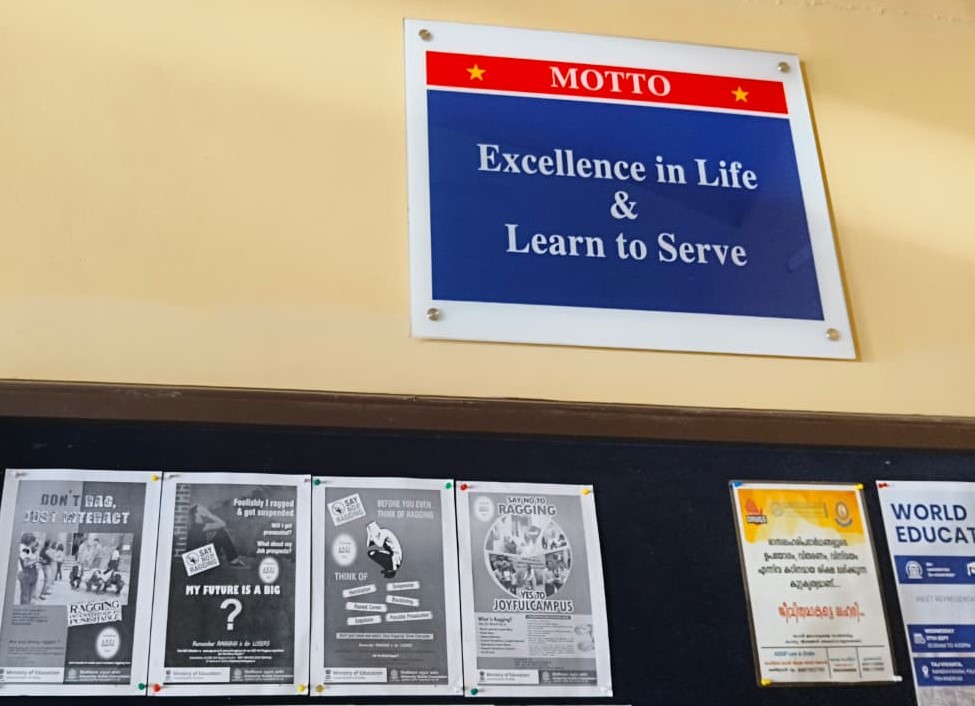
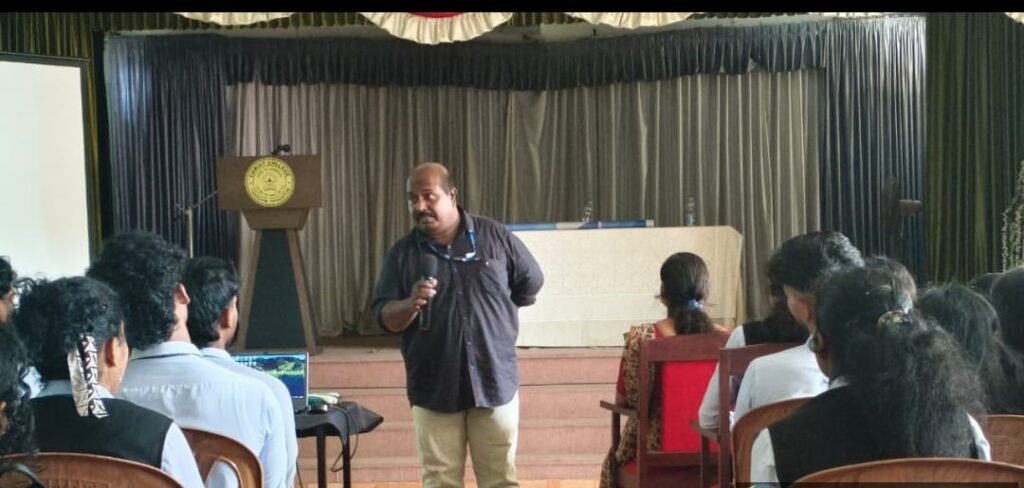
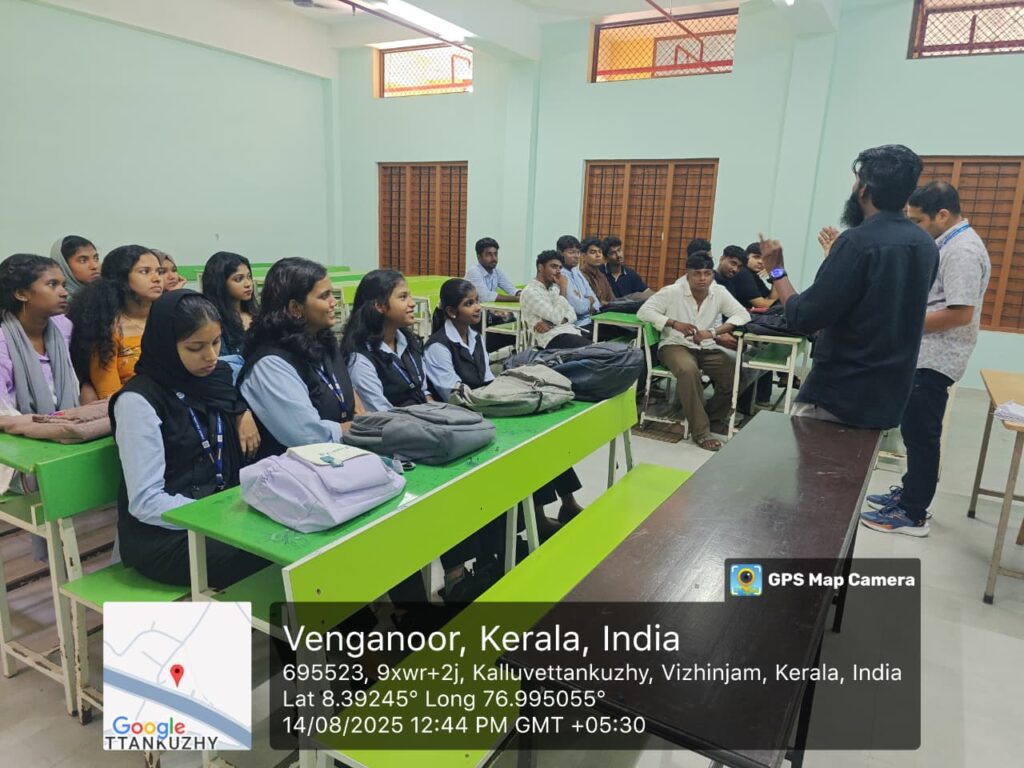
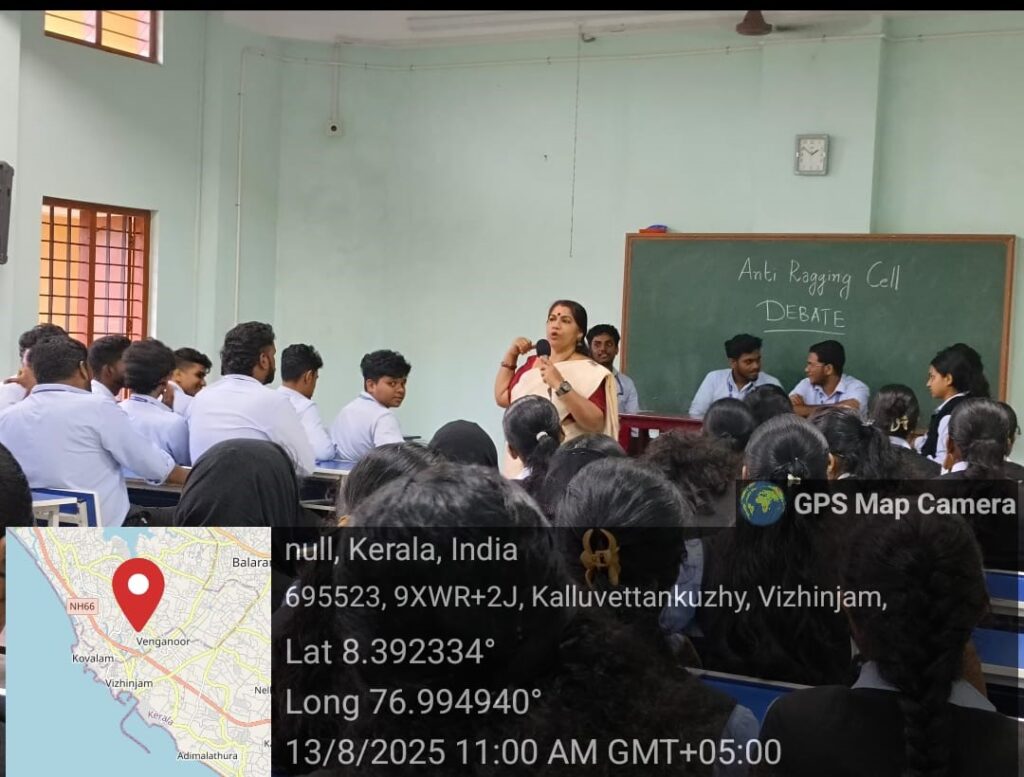
Established to uphold Supreme Court of India and UGC mandates, the Christ College Anti Ragging Committee actively works to prevent ragging on campus and put effective deterrents in place.
Core Responsibilities
To keep the campus absolutely free of any ragging activity.
To highlight and inform stakeholders about the profoundly degrading nature of ragging.
To make certain that every ragging incident is noticed, documented, and penalized without exception.
Following the Supreme Court’s verdict on May 8, 2009 (Civil Appeal No. 887/2009), the University Grants Commission (UGC) introduced the “Regulations to Prevent the Scourge of Ragging in Higher Educational Institutions, 2009.” As per these guidelines, ragging is defined as encompassing any of the following behaviors:
Teasing or Mistreatment – Any verbal, written, or physical behavior by a student that insults, mocks, or mistreats a fresher or another student.
Disruptive or Harmful Behavior – Participating in unruly, chaotic, or undisciplined actions that cause stress, discomfort, or physical/mental harm to any student.
Coerced Activities – Forcing a student to carry out tasks they wouldn’t normally agree to, resulting in humiliation, distress, or embarrassment.
Academic Interference – Any conduct by a senior that obstructs or disturbs a fresher’s or another student’s academic progress or routine.
Exploitation for Academic Work – Pressuring or using a fresher or another student to complete personal or collective academic assignments.
Financial Coercion – Imposing any kind of financial demand or pressure on a fresher or fellow student against their will.
Physical or Sexual Harassment – Engaging in physical assault, sexual misconduct, forced undressing, obscene gestures, bodily harm, or any act endangering health.
Verbal or Psychological Harassment – Using spoken words, emails, public insults, or any form of communication to humiliate or mentally disturb another student for personal amusement or control.
Discriminatory Abuse – Any act of bullying, harassment, or exclusion based on race, religion, caste, ethnicity, gender identity (including transgender persons), sexual orientation, physical appearance, nationality, language, place of origin, residence, or economic status.
Reporting ChannelComplaints can be lodged promptly to the College Principal.